

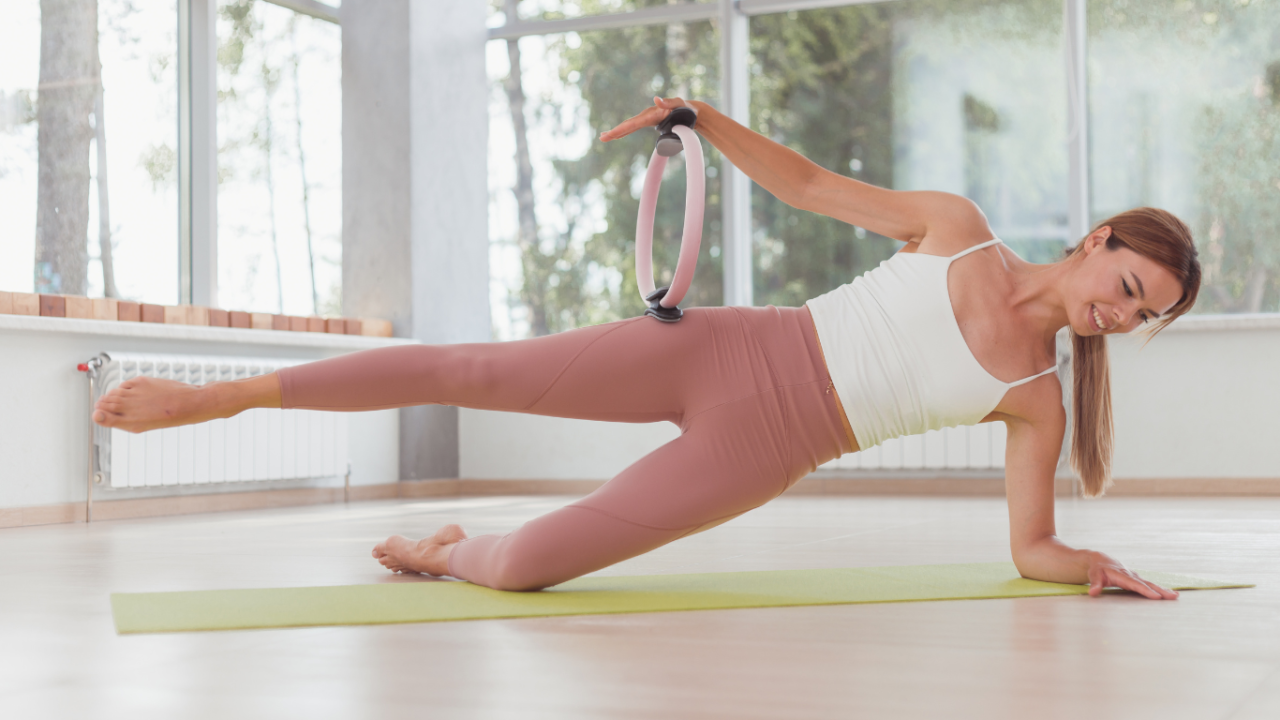
The side series in Pilates originates from the classical matwork repertoire, most notably the side kick and side bend exercises. From these traditional foundations, many variations of side series activities have developed over time. These exercises can be modified to meet the demands of different client capabilities, goals, and clinical presentations, making side-lying work both adaptable and deeply effective.
Both Tracy Mallet and Elizabeth Larkam have been quoted as saying that if they could offer just one exercise from the entire Pilates repertoire, it would be the side kick. That is a powerful statement—and one that highlights just how much is happening within this seemingly simple exercise. Side-lying activities require full-body integration. They are not simply leg exercises; they demand organisation through the entire system while one limb moves freely in space. Similarly, Daniel Vladetta, creator of the Oov, describes side series work as the integration of the body’s back line and front line chains. Lateral work brings these chains together, helping the body coordinate strength, stability, and mobility in a truly integrated way.
Despite how straightforward side-lying exercises may look, they are often some of the most challenging for clients to perform well. This is due to several overlapping demands: Pelvic awareness and hip–lumbar dissociation
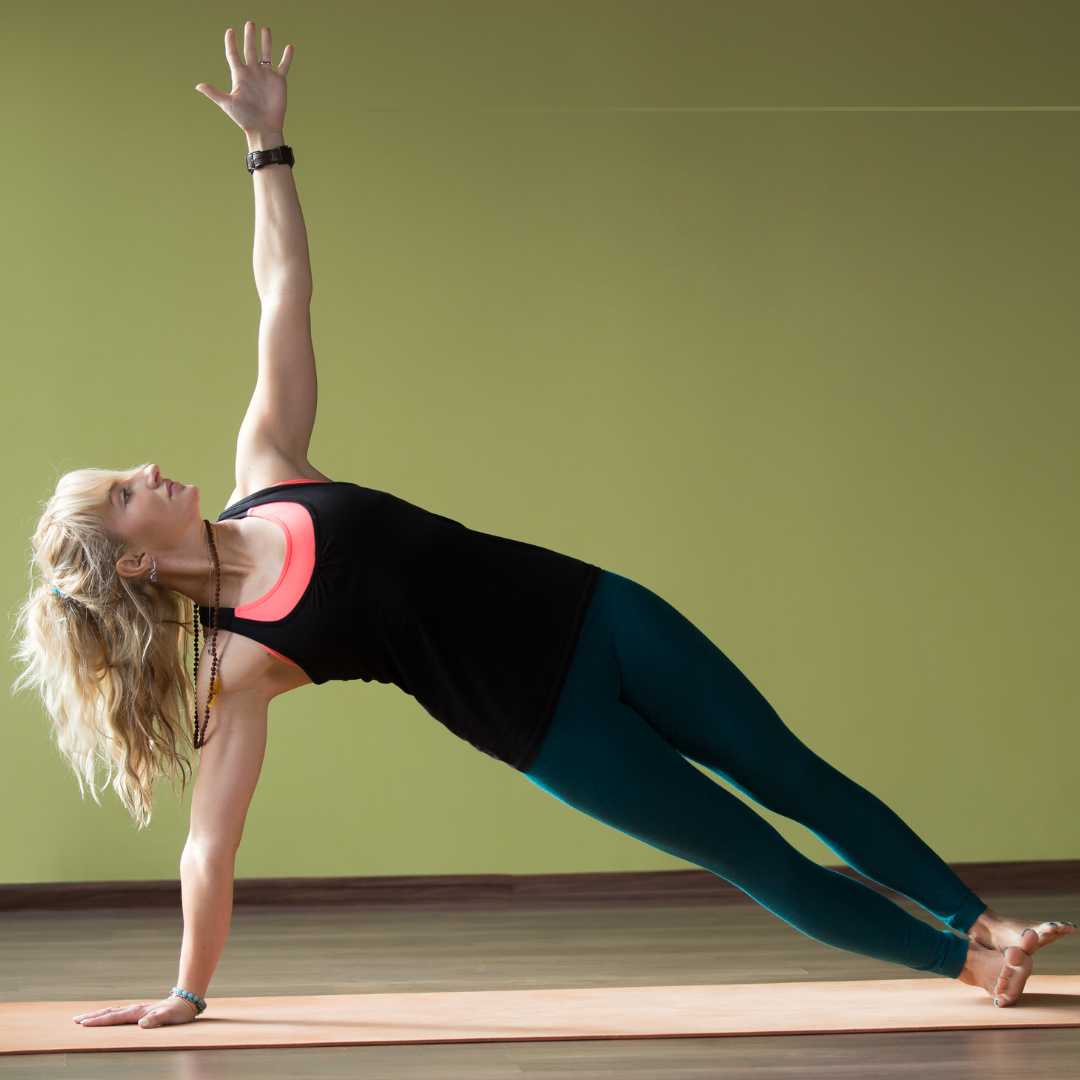
When these elements come together, side series exercises truly are a big bang for your buck movements. They create strength and mobility in and around the spine, provide central support, and challenge the limbs (arms and legs) to move through a variety of planes. The result is improved functional movement, allowing the body to better control load and direction during everyday tasks. All side-lying work is achievable with the right modifications. If being supported on your elbow or hand feels challenging, you can always rest your head on a pillow. Over time, you can gradually begin to come up onto your elbow and then your hand—just a little at a time—to build strength. There is no shame in coming up briefly and then resting your head back down on a pillow for the majority of the exercise. In fact, doing a bit of both is often the most effective way to develop the strength and confidence needed to progress. You can also build the necessary shoulder and trunk strength in other positions, such as: If the shoulder feels completely overwhelmed, it is often a sign that you are trying to “lift yourself” from the shoulder alone. In this case, further developing oblique strength and lateral hip strength becomes crucial. Supportive exercises include: All of these help build the awareness, strength, and integration needed to access more advanced side-lying work over time.
This next half term, we’ll be diving deeper into side-lying work to develop greater body awareness, alignment, strength, and integration. Through progressive side series exercises, you’ll learn how to organise your body more effectively against gravity, build resilient shoulders and hips, and create strong central support while the limbs move freely. Whether you’re looking to refine your technique, improve functional strength, or simply feel more confident and connected in movement, this focused exploration of the side series will give you practical tools you can apply both in class and in everyday life. ✨ Join us this half term and experience just how powerful side-lying work can be.
Why the Side Series Is So Highly Valued
Why Side-Lying Work Is So Challenging
Side-lying places the body in an unfamiliar orientation to gravity. Maintaining length, alignment, and support in this position requires refined proprioception and postural strength.
One side of the body moves dynamically while the other must remain stable. This asymmetrical demand challenges the nervous system and highlights imbalances that may not be obvious in bilateral work.
Side-lying is a naturally protective position—similar to a foetal curl. Many people habitually flex the spine here. In Pilates, however, we aim to imagine the body as if it were standing upright, simply rotated onto its side, maintaining length and organisation through the spine.
Side series exercises require both mobility and stability at the shoulder joint, alongside effective placement and support of the scapula on the rib cage. Without this, the work can quickly become uncomfortable or inefficient.
Clients must learn to align effectively over the lower half of the pelvis and hip joint, while dissociating hip movement from lumbar and pelvic motion—an essential skill for clean, controlled side-lying work.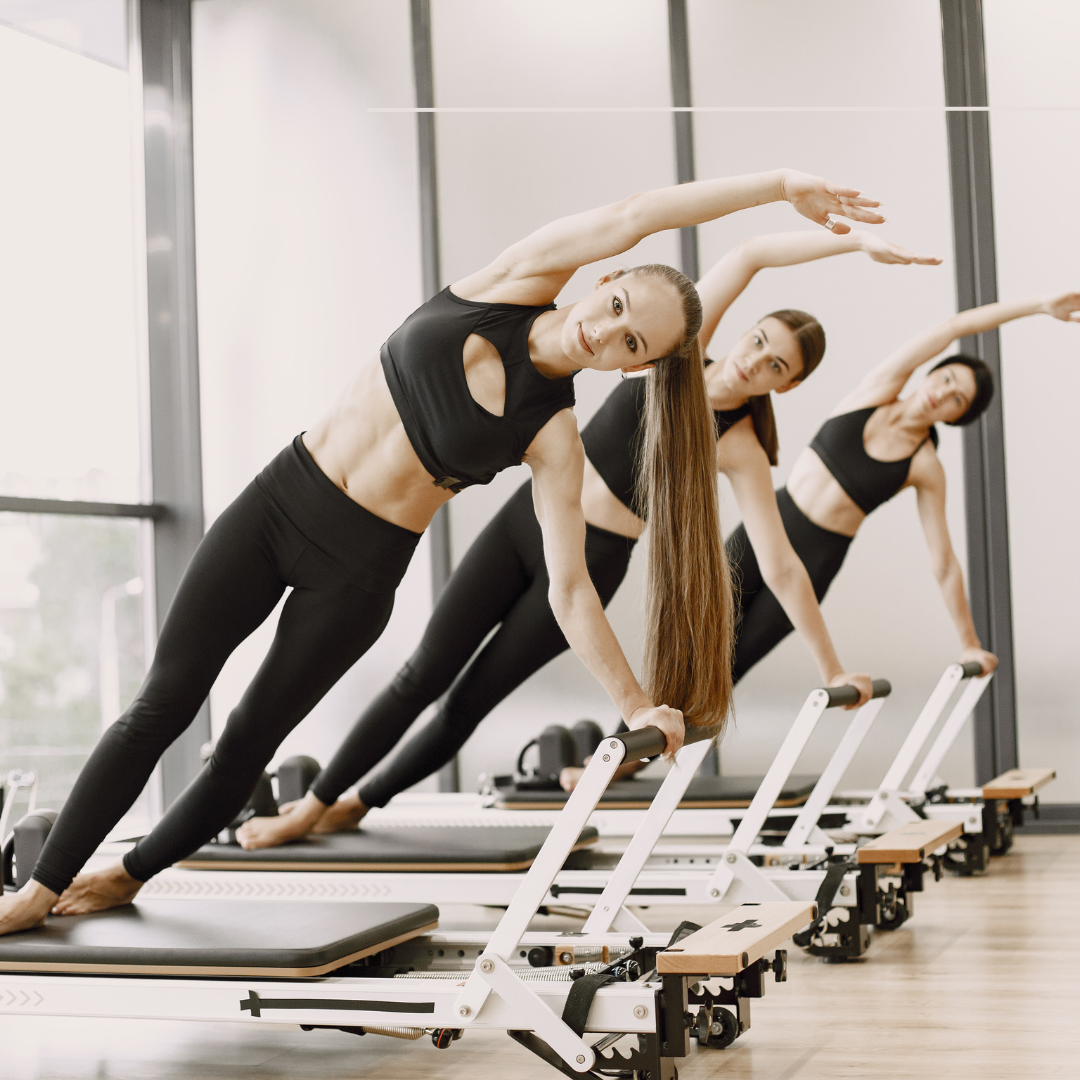
Big Results from a Subtle Exercise
Things to Think About When Practising Side-Lying Work
Join Us This Half Term
